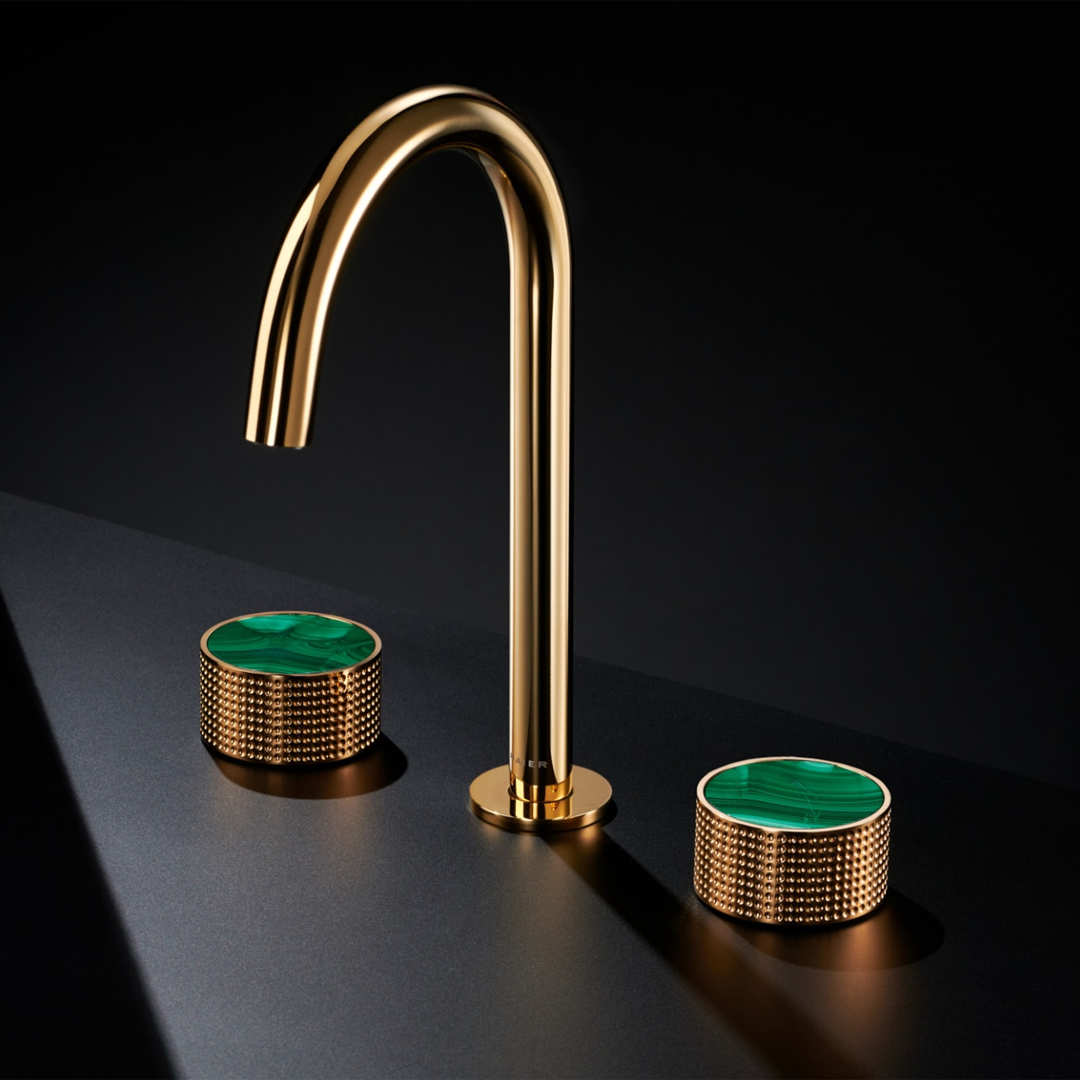
A successful construction project is the result of many elements working together. Architecture establishes the structure and character of a space, interior design develops its visual and functional identity, while carefully selected products help bring the overall concept to life.
When these elements are aligned, the result can be a space that is both visually cohesive and practical for everyday use.
Architecture Creates the Foundation
Architecture provides the framework for a project.
The proportions of a building, its materials, layout, natural light, and structural elements all influence how the finished space will be experienced.
However, architecture alone does not define every detail. The products and finishes introduced throughout the project help complete the architectural vision.
Design Connects Form and Function
Interior design builds upon the architectural foundation by considering how people will experience and interact with the space.
Colors, materials, textures, lighting, furniture, fixtures, and other elements are carefully coordinated to establish a particular atmosphere.
Good design is not simply about making a space attractive. It also considers comfort, usability, maintenance, and the practical requirements of the people using the environment.
Where Product Quality Comes In
The quality of individual products can influence both the appearance and performance of the finished project.
A carefully designed space can lose some of its intended impact if the products selected do not meet the required standards of quality or functionality.
Conversely, well-selected products can complement the architecture and design, helping create consistency from the larger architectural elements down to the smallest details.
Materials Matter
The materials used in a product can affect its appearance, durability, maintenance, and performance.
For this reason, architects and designers need to consider more than color or finish. Understanding the material, manufacturing quality, technical specifications, and intended application can help ensure that products are suitable for the project.
Consistency Creates Cohesion
A modern project may contain numerous rooms, areas, and functions. Maintaining consistency between these spaces can create a stronger overall identity.
Coordinated products, complementary finishes, and consistent design elements can help connect different areas while still allowing each space to serve its individual purpose.
This is particularly important for hotels, offices, residential developments, retail spaces, and other larger projects.
Quality Supports the Life of a Project
The relationship between architecture, design, and product quality does not end when construction is completed.
The products selected for a project will continue to be used long after the building is handed over. Their durability, maintenance requirements, and performance can therefore influence the property’s long-term experience.
Choosing products with the right balance of quality and functionality can help support the original design intent for years to come.
The Importance of the Right Supply Partner
Access to the right products is an important part of successful project planning.
A reliable local trading partner can help architects, designers, contractors, and developers source products from established international manufacturers while supporting project-specific requirements.
At Capital Trading, we connect quality international brands with projects in Qatar, providing products and sourcing solutions for different architectural, commercial, and interior applications.
When architecture, design, and product quality work together, every element contributes to a stronger finished space.